Are Your Coaching Skills Strong Enough?

Motivation is Key When Coaching High-Performance Sales Teams

It’s been over a week since the closing ceremonies of the Tokyo Olympic games, but the contests and the displays of determination and individual grit continue to motivate and inspire us to be better performers, coaches, and leaders.

For example, one of the most anticipated events during the Tokyo Olympic games, after the women’s gymnastics, were the women’s swimming events, especially the women’s 400 meter freestyle. A race dominated by American swimmer Katie Ledecky.

Ledecky was favored to win all the women’s swimming events she was scheduled to compete in. So, the world was stunned when Australian Ariarne Titmus, in her Olympic debut, handed Ledecky her first Olympic defeat. The world was even more stunned when her coach, Dean Boxall, displayed his excitement and turned into an internet meme for weeks.

Boxall may have been excited for Titmus’ win. After all, it happened in the biggest sporting competition in the world. But he knew it was coming.

Insights from Dean Boxall, Australia’s Rock Star Coach

Dean Boxall is one of Australia’s rock star coaches. He coaches six athletes who were in the Australian Olympic swimming contingent. And he’s passionate about what he does. According to him, the coaching never stops. When his athletes go home to rest and recover, he goes home and thinks “how can my team get better?”

Under his coaching, Titmus earned the nickname “The Terminator” because competitors started falling when she entered the pool.

In a spotlight interview NBC did on the world competitors, I heard Boxall say something during his interview that I‘ve also heard time and time again from the sales leaders I’ve coached over the years. He said, “If you want to challenge her (Ledecky), you have to hold yourself accountable every session.”

Like Boxall and his athletes, these sales leaders I coached all wanted something and they held themselves accountable. Not yearly. Not weekly. But daily, even hourly. Always asking “how can I get better.”

The Secret to Sales Coaching is Knowing the Source of Motivation

Part of sales leadership is knowing how to be a better coach. We have to know how to motivate team members to get better at what they do. And every team member is different. This isn’t a one size fits all deal. Some team members require more guidance while others simply need you to get out of the way.

Now, one of the biggest mistakes I see new sales managers make is to think that as a leader and coach, their job is to motivate their team. Don’t get me wrong. Making a big speech to rally the troops is part of the job. But that ain’t motivation.

In my sessions, I remind them that their job is not to motivate, but to understand what motivation is and what motivates their team members. They have to understand their people well enough to get inside their head, understand what drives them, and then extract, nurture, and support that drive so that those team members can motivate themselves.

Remember, Boxall said, “You have to hold yourself accountable every session.” The most important word in that statement is “you.”

Mapping Coaching Insights from a Swim Team to a Sales Team

In my interviews with sales leaders in the Against the Sales Odds series, they all often cite someone, a mentor, a coach, a confidant, who helped them navigate troubled times and build their careers. They had someone who could give them external feedback, get them to take corrective action, and get back on track to achieving their goals. But these sales leaders were always the driving force behind their success. They were the ones holding themselves accountable every day.

When we talk about Sales Leadership, one of the 6 Drivers of High-Performance Sales Teams, being a sales coach for your team is a part of that leadership conversation. We’re talking about creating a culture and environment that supports the growth and development of your sales team. An environment where they can motivate themselves to excel.

In that NBC interview, when Titmus talked about first starting on her path, she said that when she saw Ledecky swim in the Rio Olympic games, she remembered saying, “this chick is nuts!” She didn’t think it was possible to compete at that level. But in working with Boxall as her coach, her times started coming down. And instead of Ledecky being “miles ahead” of her, Titmus got to the point where she could see her feet in these races. And she started believing she could accomplish the impossible goal she set for herself.

Like Boxall’s Olympic team, our sales talent comes onboard at different levels with different beliefs about what’s possible. It’s our job as sales leaders to provide the environment, the coaching, the belief that we can make great accomplishments by getting everybody moving in the same direction and being the best, they can be.

At the end of the day, sales leaders are doing exactly what every other sports coach in the world is doing: We believe in our people until they’re strong enough to believe in themselves.

Are you building a high-performing sales team? Start by taking inventory of your assets and your talent. Take the Sales Team Science Assessment here.

Focusing Only on Top Sellers Can Hurt Overall Results

Coach ALL Members of Your Sales Team to Increase Performance Metrics

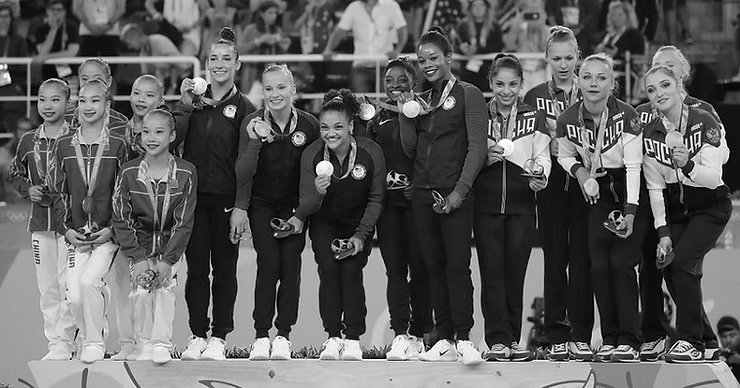
The Olympics. Arguably the biggest stage in the world for an athlete. Even if you’re a casual fan, you likely know the superstars everyone is watching, like elite gymnast Simone Biles. But you might not have heard of her teammate, MyKayla Skinner֫—that is until she took home the silver medal in the Vault for the individual events.

Imagine being the gymnastic coach for team USA. Of course you put a ton of effort and resources in an A-player like Biles. But you can’t forget about the rest of your team. They train just as hard and want to succeed just as much as the A-players—maybe even more.

Such was the case with Skinner. She wasn’t predicted to medal at all in the Olympics due to Biles dominance. In fact, she was packed and ready to return home when she got the call from her coach that Biles had withdrawn. Skinner got her chance to shine, and shine she did..

Translating this to sales, I’m talking about one of the 6 Drivers of High-Performing Sales Teams—Sales Talent. This is the process to attract, select, onboard, develop, and retain salespeople. What if the coach put all of Team USA’s eggs in one basket, solely focusing on Simone Biles and no one else? Superstars are great to have, but they are human. They might not live up to your expectations all the time. They might not deliver when you need them to. They have bad days and make mistakes just like everybody else.

The moral of the story is this: it’s just as important to invest in and coach members of your sales team who are average or have plateaued or are non-performers, just as much as the stars.

Every team member wants their time to shine, and if you keep coaching them, they will deliver.

Good coaches, including today’s sales leaders, start with an honest assessment of their high-performance team’s skills and abilities. Don’t get left out. Take the Sales Team Science Assessment here.

4 Objection Tactics in Sports Biz Sales – Tickets / Premium

I’ve spent the last 20+ years working with sales teams in the pro-sports industry. While each market is unique, each team faces its own challenges, and each league is unlike the others, there are four mistakes that are universal across all pro-sports sales.

Here are some thoughts and advice.

Take Scarface’s Advice

One of my favorite movies is Scarface. Not because of the gore or the drug dealing, but because of the entrepreneurial underlying message. All good American success stories have the main character possessing a lot of hustle and an entrepreneurial spirit.

In addition, this movie has given us some of the most endearing quotes. The first, although overused everywhere, is iconic: “Say hello to my little friend.”

The second quote is less known but the sentiment behind it is critical for sales people in the sports business. Tony Montana coaches his associates on how to be successful in the narcotics business by advising “Don’t get high on your own supply.”

Take Scarface’s Advice – Sell, Don’t Convert

I do a lot of training for pro sports sales teams. When I walk onto the sales floor, I often see sales associates donning the team logos and wearing the colors. In a recent session, I was coaching a group of NFL sales people on making cold calls. One rep did a fantastic job navigating the gatekeeper and getting the decision maker on the phone.

Then, the sales rep slammed on the brakes by spewing out this “killer” opening phrase: “Hey this is so-and-so from the NFL team”.

Even with this terrible opening the prospect didn’t hang up. Instead, he replied, “I don’t like football.” The sales rep then asked, “Why?”

It took everything I had not to grab the phone and hang it up. Instead, I let the conversation continue.

The rep was trying to convert the prospect into a fan. As a sales rep, your job is not to create converts. When you are selling either premium seats or tickets, your job is to get that decision maker to consider a hospitality option versus any other thing they could invest in.

An MLS executive once asked me to give him feedback on his team. I listed several strengths but I resisted giving weaknesses. After he pressed me, I said, “Ok, I think your weakness is you hire all former soccer players.”

He defended with, “But that’s our strength!” I replied, “Your greatest strength is also your greatest weakness. Your people spend too much time on the phone defending soccer to non-soccer people and not enough time selling. That’s not their job. Their job is to get prospects to consider hospitality tickets as an event option versus doing anything else or nothing at all.”

Stop evangelizing and take Tony’s advice. “Don’t get high on your own supply.”

Don’t Be A Creeper

Have you ever talked to a prospect, either B2B or B2C, and they acted really interested at first, but then they rushed you off the phone and said ‘call me back’? You probably spent the next few days calling them back several times like an 8th grade boyfriend or girlfriend, with zero success. You tried different times of the day, every day or even several times a day. Then, you resorted to calling from different phone numbers and making fly-bys on social media. In some parts of the country you would be looked at as a stalker or creeper!

Here’s some advice – when you get someone on the phone, make a solid impression!

Ask a few questions at the start to get their attention. Ask them if they would be open to some ideas about entertainment for their family or business. If they act interested and say call me back, slow the offense down. Ask to pencil in a time next week to talk. Use an alternate choice close and press them how sincere their interest is.

Don’t Be To Precise

Pro sports tickets sales is not an exact science. Remember, you’re not selling stints to the Cleveland Clinic. You are not selling things that the prospect needs. You are asking people to spend their discretionary income. Here is the deal. Most of your prospects are looking for the best option or opportunity to fit their need.

I was on the east coast recently working with a storied NBA franchise. One of the sales people started explaining why he felt that making a specific suggestion was key to sales success. However, I have a different point of view. Buyers love options. I would not be happy if I pulled up to the gas station and I could only buy one grade of gas. I appreciate having the opportunity to select from 3 or 4 options. When we go to the App Store, there are often several options available to purchase an app and they all have the same eventual outcome.

Buyers like to weigh things out. Many times, sports sales people drive prospects to a secondary market because they don’t offer more options.

Show them a comparison! Do people want to be sold or do they want to buy? They want to buy. After you show a few options, then you make the suggestion. This is a great opportunity to close using a weighing close.

Always Talk Value

Building off the previous point, buyers can’t value what they can’t compare and contrast. One question I ask in my coaching sessions is, “Have you ever shopped at Men’s Warehouse?” Most of the time I get, “Yes, I’ve been there!” Then I ask, “Have you ever gone in to buy a sports coat and walked out with 3 shirts and a pair of pants in addition to the original purchase?”

We have all been there, but how does this happen?

When you go in, the sales rep has you look at a couple of jacket options in addition to letting you know about the latest hot deal, like buy one get one at 1/2 price. Then alongside the sports coats, they show you a shirt. A $60.00 shirt, compared to a $300 sport coat, is not a big expense. Even two shirts at that price wouldn’t be a big deal. The process they use to sell involves price and value objection. It makes you feel like you’re getting a good deal or at least good value. Creating comparisons allow people to see value. Remember, value is always perceived!

Sometimes objections are more about avoiding pitfalls, landmines, obstacles, involves thinking outside the box and not making the same mistake twice.

Remember, sales is an away game. It happens in the head of your prospect. Most objections are created by the way you package and present your offers. So get out of your head, get in the head of your prospect and see things from their point of view. You’ll be better positioned to close the deal.

Oh, and “Don’t get high on your own supply!”

Selling as a New Olympic Sport?

The Common Ground Between Olympic Superstars and High-Performance Sales Teams

A marathon runner. A gymnast. A relay swimmer. A fencing champion. A salesperson.

What do all these people have in common? A lot. With the Summer Olympics upon us, I thought it would be the perfect opportunity to reflect on all the commonalities that high-performance sales teams share with Olympic athletes. Never thought of your sales team at the elite level of the best athletes on the planet? Well, you should.

Think about it: high-performing salespeople need to be able to go the distance. They must train and practice their craft endlessly, just as hard as any athlete. They need to have the endurance to continue when they are exhausted. They must find the drive to persevere, to outlast and outperform everyone else. Because if they rest for even one second, or allow themselves to become distracted, the competition will pull ahead of the pack to win the sale.

It’s the Olympic spirit that the best salespeople have—comprised of grit, endurance, persistence, and perseverance. I’d say that’s why so many sports teams connect with my process, because at its heart, it’s that kind of spirit that wins championship games. I’m competitive by nature, so I understand the kind of challenges involved, the perseverance required to close business and compete in a complex world.

Sales ain’t easy. It’s hard. About as hard as winning a gold medal and standing on top of that podium, listening proudly to your country’s national anthem play. You can coach all day long for skills, and you can always pick up knowledge, but that Olympic spirit is what makes all the difference between victory and defeat when it comes to selling.

Good coaches, including today’s sales leaders, start with an honest assessment of their high-performance team’s skills and abilities. Don’t get left out.  Take the Sales Team Science assessment here.

Sales Leaders: Your Salespeople are Not Hats

Micromanaging is a Surefire Way to Undermine the Efforts of High-Performance Sales Teams

Here’s a riddle for you: What sound does micromanaging make? Footsteps. As in, the footsteps of a high-performing salesperson walking away from your team.

If you are familiar with Tyson Group’s clientele, you know we do a ton of work with pro-sports teams—sales team training, coaching, optimizing. One of the unique things about the culture of pro-sports, even those departments off the field, is that they are highly competitive and value hard work. Sometimes they even value effort over innovation.

So what do you think happens when an innovative salesperson joins that kind of environment? There’s a collision.

Let’s say that Mary is an outstanding salesperson, someone I would hire in a heartbeat because she’d make a great addition to our team. Now imagine she lands a sales job with a pro-sports team and in the first few weeks she’s totally crushing her sales goals. However, she’s one of those high-performance salespeople who is innovative—she knows how to get stuff done with less activity. Nothing wrong with that in my sales playbook. If the outcome is the same, what does it matter how any salesperson arrives there, as long as it’s ethical?

But her sales manager disagrees. Instead of celebrating Mary’s successes, he over-coaches her on her process, not because she wasn’t hitting her numbers, but because Mary wasn’t hitting his hustle metrics. So in turn, Mary walks. This manager confused outcomes with process and lost an A-Player.

Salespeople aren’t hats. One size does NOT fit most. Always give your salespeople the space to fit their personality into the process. Otherwise, you’ll be hearing the sounds of micromanaging.

Gain an honest assessment of where you and your team rank on the 6 drivers of high performance sales teams. Take the Sales Team Science  assessment here.

Is Your Sales Enablement Software Holding Your Team Back?

Take Our Sales Team Science Assessment, Specifically Designed to Evaluate High-Performance Sales Teams

Sales Enablement. One of the  Drivers of High-Performance Sales Teams, yet the least understood—let alone appreciated. This critical driver encompasses all the technology you employ to capture leads, engage and track prospects, connect with customers, and close deals.

But does your sales team fully understand and embrace their Sales Enablement software? Do your sales enablement metrics completely align with the company/team goals? Is your Sales Enablement charter embraced and enforced by your Sales Enablement leader? Do you even have a Sales Enablement leader?

From your culture to your team’s expectations, from prospecting strategies to the philosophies that drive your KPIs, your sales team needs to excel to be able to compete and close. The good news is—as every great salesperson knows—gaps mean opportunities. And opportunities mean potential.

That’s where Sales Team 6 comes in.

Using a six-part assessment targeting the 6 Drivers of High-Performance Sales Teams, we’re able to analyze your team’s metrics to determine what tools are needed to excel in their respective roles to help drive revenue.

Responses are then used to generate a customized scoring tabulation conducted through specialized software, with a perfect score set at 150 points. Armed with this information, we will evaluate and design a training playbook tailored specifically to the strengths and weaknesses of your existing sales team.

The result? Increased sales productivity. Reduced sales cycle time. Higher close rates. In 90 days or less.

Take the Sales Team Science Assessment today!

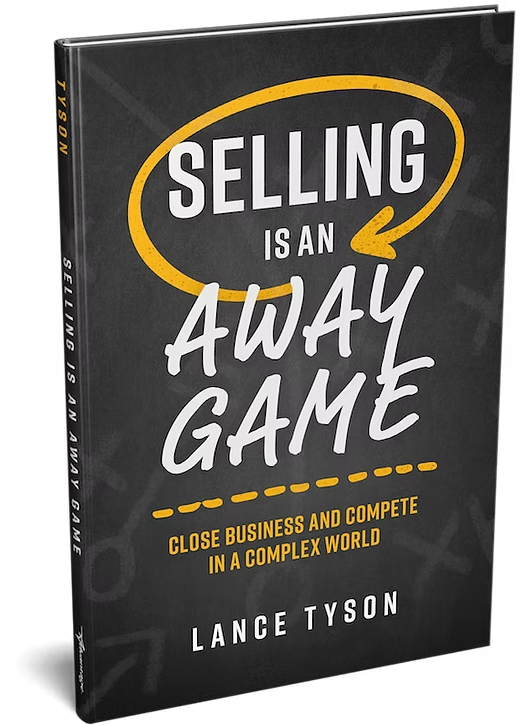
Want to learn more about Sales Enablement and how your people can use technology to amplify their talent? Check out Lance Tyson’s book Selling is an Away Game, available online at Amazon now.

Tyson Group Wins in the 2021 Sales & Service Excellence Awards

The Globee® Awards, organizers of the world’s premier business awards programs and business ranking lists, has named Tyson Group a winner in the 8th Annual 2021 Sales and Customer Service Excellence Awards. These prestigious global awards recognize achievements in sales, service, support, and business development from all over the world.

The annual Sales and Customer Service Excellence Awards are industry and peer international competition honoring achievements in disciplines that create the best customer experience for business successes everywhere.

Tyson Group was recognized in the Sales Training or Coaching Program of the Year category. This win further supports Tyson Group’s mission to coach, train, and consult with sales leaders and their teams to compete in a complex world — regardless of what the market looks like. Taking a diagnostic approach, Tyson Group strives to understand sales teams and addresses gaps through their Sales Team 6™Assessment. Using a six-part assessment targeting the 6 Drivers of High-Performance Sales Teams, Tyson Group is able to analyze any team’s metrics to determine what tools are needed to excel in their roles and help drive revenue. Then, they design a tailored playbook that defines an action plan to further develop team members and equip them with the desired skills for each marketplace.

“It’s an honor to be recognized as an industry player by Globee Awards for this esteemed industry and peer recognition,” said Lance Tyson, Founder & CEO of Tyson Group. “This further validates our position as sales consultants poised to successfully support sales leaders, CEOs, and company founders to increase sales productivity, reduce the sales cycle time, and have higher closing rates.”

Sales and Customer Service Excellence Awards is the world’s premier recognitions program created to honor industry-wide and peer achievements of individuals, teams, departments, most valuable professionals, milestones, and champions in Sales & Customer Success, Customer Service & Contact Centers, Sales and Service Enablement which includes Training, Consulting, and Outsourcing.

“Continuing to raise the bar higher for standards in sales and customer service are key to customer success,” said San Madan, co-President at Globee Awards. “Effective customer success strategy can lead to higher business growth.”

About Tyson Group

Tyson Group offers expert sales consulting and training tailored to companies’ individual needs, cultivating talent that yields measurable results. They have consulted on multi-billion-dollar negotiations for the nation’s most prominent sports stadiums, developed elite sales teams, and advised on the installation of sales methodology for countless organizations.

Tyson Group is frequently sought out for its expertise in recruiting, training, and coaching the right talent to drive organizations to the next level. They have proven experience creating, establishing, and implementing organizational changes and new processes that help sales teams meet and exceed goals in a vast array of industries.

Tyson Group is available for commentary.

Chip.stclair@tysongroup.com

Sales Methodology: Is Your Team’s Strategy Effective?

Take Our Sales Team  Science Assessment, Specifically Designed to Evaluate High-Performance Sales Team

Your sales team may be using a well-known Sales Methodology such as relationship selling, strategic selling, or value-based selling just to name a few—but is it the right one? As one of the 6 Drivers of High-Performance Sales Teams, Sales Methodology determines the strategy that your team uses to engage prospects and customers.

But does your Sales Methodology mirror the techniques of your high-performers?

Does it align with the needs of your buyers? Do you ever wonder why some deals stall out or die at the same point in the sales process? How often does your sales team evaluate their Sales Methodology to ensure effectiveness, marketplace relevance, and full team buy-in?

From your culture to your team’s expectations, from prospecting strategies to the philosophies that drive your KPIs, your sales team needs to excel to be able to compete and close. The good news is—as every great salesperson knows—gaps mean opportunities. And opportunities mean potential.

That’s where Sales Team 6 comes in.

Using a six-part assessment targeting the 6 Drivers of High-Performance Sales Teams, we’re able to analyze your team’s metrics to determine what tools are needed to excel in their respective roles to help drive revenue.

Responses are then used to generate a customized scoring tabulation conducted through specialized software, with a perfect score set at 150 points. Armed with this information, we will evaluate and design a training playbook tailored specifically to the strengths and weaknesses of your existing sales team.

The result? Increased sales productivity. Reduced sales cycle time. Higher close rates. In 90 days or less.

Take the Sales Team  Science Assessment today!

There is no one-size-fits-all play when it comes to sales methodology. Find out more on selecting the right methodology and strategy for your team in Lance Tyson’s bestselling book Selling is an Away Game, available online at Amazon now.

Does Your Business Drive Sales Talent or the Other Way?

Take Our Sales Team Science Assessment, Specifically Designed to Evaluate High-Performance Sales Team

Your sales talent is the heartbeat of your company. But many companies lack a proper process to even attract the right people. Some companies don’t have a process to select and onboard their sales talent. Others still fail to invest the time or resources necessary to develop and retain their sales talent.

The fact is, investing in your sales talent is the number one way to ensure your company’s fiscal health and ability to scale. But are your salespeople aligned with your company’s mission? Do you struggle to retain good, solid salespeople? Do you invest in and coach your B and C players, or just the stars?

From your culture to your team’s expectations, from prospecting strategies to the philosophies that drive your KPIs, your sales team needs to excel to be able to compete and close. The good news is—as every great salesperson knows—gaps mean opportunities. And opportunities mean potential.

That’s where Sales Team 6 comes in.

Using a six-part assessment targeting the 6 Drivers of High-Performance Sales Teams, we’re able to analyze your team’s metrics to determine what tools are needed to excel in their respective roles to help drive revenue.

Responses are then used to generate a customized scoring tabulation conducted through specialized software, with a perfect score set at 150 points. Armed with this information, we will evaluate and design a training playbook tailored specifically to the strengths and weaknesses of your existing sales team.

The result? Increased sales productivity. Reduced sales cycle time. Higher close rates. In 90 days or less.

Take the Sales Team Science Assessment today!

Learn more about developing your sales talent in Lance Tyson’s bestselling book Selling is an Away Game, available online at Amazon now.

Is Your Sales Process High-Performance or High-Maintenance?

Take Our Sales Team Science Assessment to Reveal Whether Your Sales Team is Among the Elite

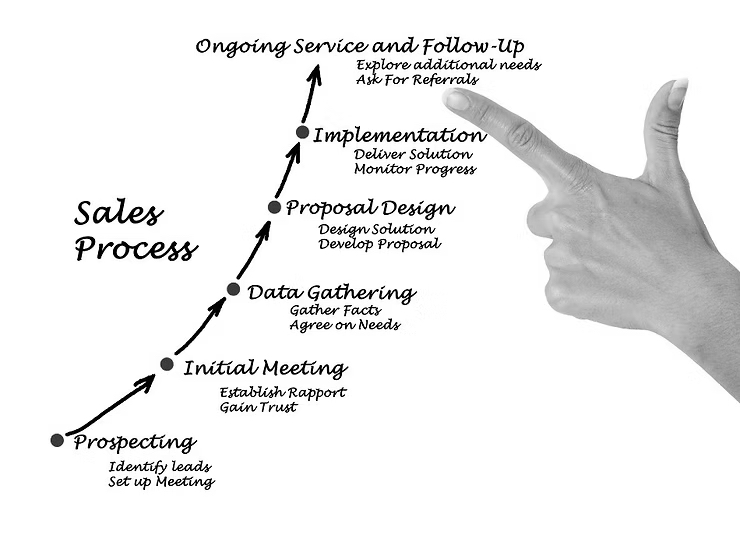
Getting your sales process down is one of the critical drivers of high-performance sales teams. We’re talking about your road map, your prospecting strategies, your agendas. And let’s not forget about presentations, product knowledge, marketplace opportunities, and pricing.

Does every member of your team know your IPP (Ideal Prospect Profile)? Is your sales process documented, replicable, and scalable? Can every member of your team identify their prospect’s issues, goals, and priorities?

From your culture to your team’s expectations, from prospecting strategies to the philosophies that drive your KPIs, your sales team needs to excel to be able to compete and close. The good news is—as every great salesperson knows—gaps mean opportunities. And opportunities mean potential.

That’s where Sales Team Science comes in.

Using a six-part assessment targeting the 6 Drivers of High-Performance Sales Teams, we’re able to analyze your team’s metrics to determine what tools are needed to excel in their respective roles to help drive revenue.

Responses are then used to generate a customized scoring tabulation conducted through specialized software, with a perfect score set at 150 points. Armed with this information, we will evaluate and design a training playbook tailored specifically to the strengths and weaknesses of your existing sales team.

The result? Increased sales productivity. Reduced sales cycle time. Higher close rates. In 90 days or less.